
25+Fun Questions to Ask Dementia Patients: A Real Guide
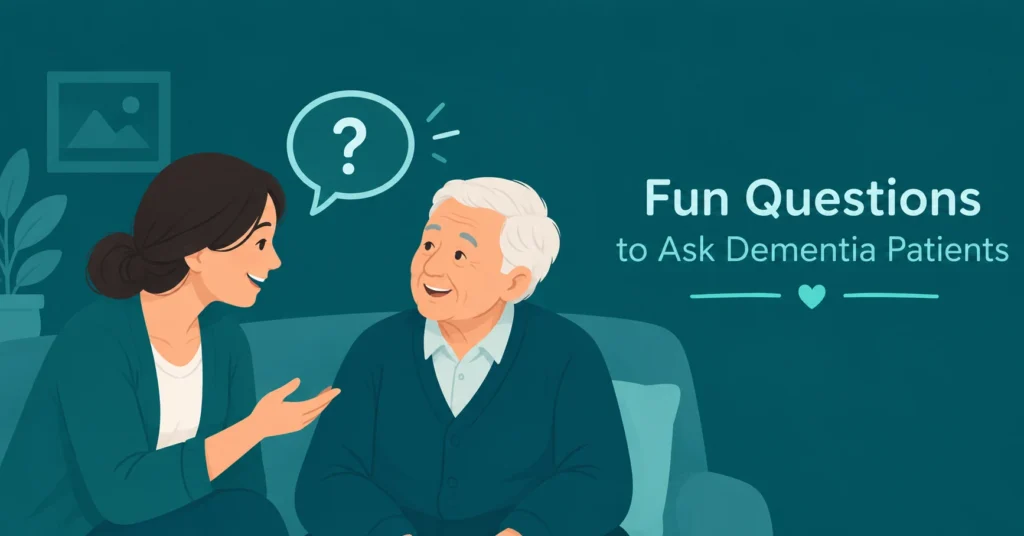
The best fun questions to ask dementia patients are simple, sensory, and rooted in long-term memory think favorite songs, childhood pets, or a beloved holiday dish, not “do you remember.” My mother-in-law lit up every time we asked about her old dance hall nights, even on days she couldn’t recall breakfast. That gap between what’s lost and what’s still vividly there is the whole point: reminiscence-based conversation starters don’t test memory, they celebrate it, easing anxiety and building real connection in the present moment.
Reminiscence-Based Questions to Ask Dementia Patients
Reminiscence therapy works because long-term memory often stays intact long after short-term recall fades, which is why childhood-rooted memory questions land so well with dementia patients. Try “What games did you love as a kid?” or “Who did you play with in your neighborhood?” both draw on early, deeply encoded memories rather than yesterday’s events.
These aren’t just conversation starters, they’re a gateway to storytelling and identity. Asking about a first job, a childhood street, or a beloved teacher gives dementia patients a sense of belonging and autonomy, turning a simple chat into a genuinely joyful, low-pressure moment of connection.
Music and Entertainment Questions for Dementia Patients
Music is one of the most reliable memory triggers in dementia care, often reaching people who’ve lost most verbal ability. Ask “What song always makes you feel happy?” or “Was there a TV show you never missed each week?” these entertainment questions frequently spark humming, singing, or a genuine smile.
Favorite movies and singers work the same way. “Who was your favorite singer as a kid?” or “What’s a movie you loved watching?” tend to bring warmth and laughter, and they’re easy to expand into a longer, positive conversation without any pressure to “get the answer right.”
Food and Drink Questions to Ask Dementia Patients
Favorite meals and family recipes are powerful, sensory-rich memory questions to ask dementia patients smell and taste memories are notably resilient in dementia and Alzheimer’s. Try “What was your favorite food growing up?” or “Did your family have a special recipe passed down?”
Keep it playful with “would you rather” framing: “Tea or coffee?” or “If you could eat only one food forever, what would it be?” Food questions rarely fail, since preference-based answers don’t rely on precise recall just familiar comfort.
Travel and Experience Questions for Dementia Patients
Travel memories tend to be vivid and emotionally charged, making them excellent conversation starters for dementia patients. Ask “Where have you visited that you still think about?” or “Who did you travel with?” both invite storytelling without demanding exact dates or details.
Lighter versions work too: “What’s the funniest thing that happened while traveling?” or offering simple choices like beach, city, or countryside. These memory questions to ask dementia patients turn travel nostalgia into an easy, enjoyable back-and-forth.
Beloved Pets and Animals Questions for Dementia Patients
Animals hold an outsized emotional place in memory, which makes pet-related questions some of the most reliably joyful fun questions to ask dementia patients. Try “Did you have a favorite pet growing up?” or “What was the funniest thing your pet ever did?”
These simple questions to someone with dementia almost always spark a genuine, unguarded smile. Follow up with “Do you remember walks or trips with your pet?” to keep the storytelling going naturally, without any pressure around exact recall.
Favorite Toys and Hobbies Questions for Dementia Patients
Toys, crafts, and pastimes are windows into cherished personal history, and asking about them helps dementia patients recall creative, positive moments. Ask “Did you have a favorite toy or collection?” or “What hobbies did you enjoy as a child?”
Creative-activity questions extend the conversation further: “What kind of creative activities did you love most?” These open-ended questions for dementia invite longer, more expressive answers than yes/no prompts, and they promote a real sense of autonomy and confidence.
Personal Preference Questions to Ask Dementia Patients
Simple preference fun questions to ask dementia patients are ideal because they rely on stable, long-held likes rather than fragile short-term memory. Ask “What is your favorite season?” or “What was your favorite subject at school?” low-stakes, easy to answer, and genuinely revealing.
“Would you rather” framing works especially well here: tea or coffee, dog or cat, beach or mountains. These lighthearted prompts are simple questions to ask someone with dementia that keep engagement high without any risk of frustration or confusion.
Fun Topics That Encourage Interaction
Beyond specific fun questions to ask dementia patients, entire topic areas favorite pastimes, holiday traditions, childhood snacks reliably promote positive emotions and ease anxiety in dementia conversations. Ask “Did you have a favorite childhood snack?” or “What cartoons or shows did you love?”
Revisiting hobbies and traditions this way offers dementia patients a genuine sense of identity and belonging, not just a distraction. It’s less about any single “right” question and more about circling familiar, comforting territory again and again.
Dive Into Favorite Life Moments With Dementia Patients
Open-ended prompts like “Tell me about your first job” or “What’s a recipe you always loved making?” invite longer, richer responses than closed fun questions to ask dementia patients. These memory fun questions to ask dementia patients promote autonomy, letting the person lead the story.
Stories about early adulthood, school days, or first homes often bring real light and purpose to the day. Give plenty of time to answer, and follow their lead rather than steering toward a specific “correct” memory.
Questions to Ask to See if Someone Has Dementia
Separate from fun conversation starters, some fun questions to ask dementia patients are used for gentle cognitive orientation checks, such as “Can you tell me what day it is?” or “What’s the name of this place we’re in?” These aren’t meant as fun icebreakers.
Use these sparingly and only when appropriate, ideally guided by a clinician’s framework rather than casual conversation, since repeated “testing” questions can increase frustration or embarrassment for someone already aware of their memory changes.
Conclusion
A simple conversation can bring comfort, laughter, and a sense of connection for someone living with dementia. Fun questions about childhood memories, favorite foods, music, hobbies, holidays, or everyday experiences can encourage them to share without feeling pressured. The goal is not to test their memory or correct every detail, but to enjoy the moment together.
Keep questions easy, positive, and flexible, and follow their interests when they show enthusiasm. If a question feels frustrating, gently move on to another topic. Most importantly, listen with patience and warmth. The best conversations are not about perfect answers; they are about making the person feel heard, valued, and connected.
FAQs
Author

Hi, I’m Alex, and I enjoy learning through quizzes, trivia, and interactive questions. I love discovering new conversation starters, relationship topics, and educational challenges. This website is my go-to place for fun, practical, and reliable question-based content. I’m always excited to learn something new and share it with others.